Enterprises often assume that with enough resources and talent, they can build AI tools in-house. Yet the MIT study shows otherwise: only one in three internally developed AI tools makes it into deployment. The reasons are familiar:
The result is a pile of proof-of-concepts with little to show for the effort.
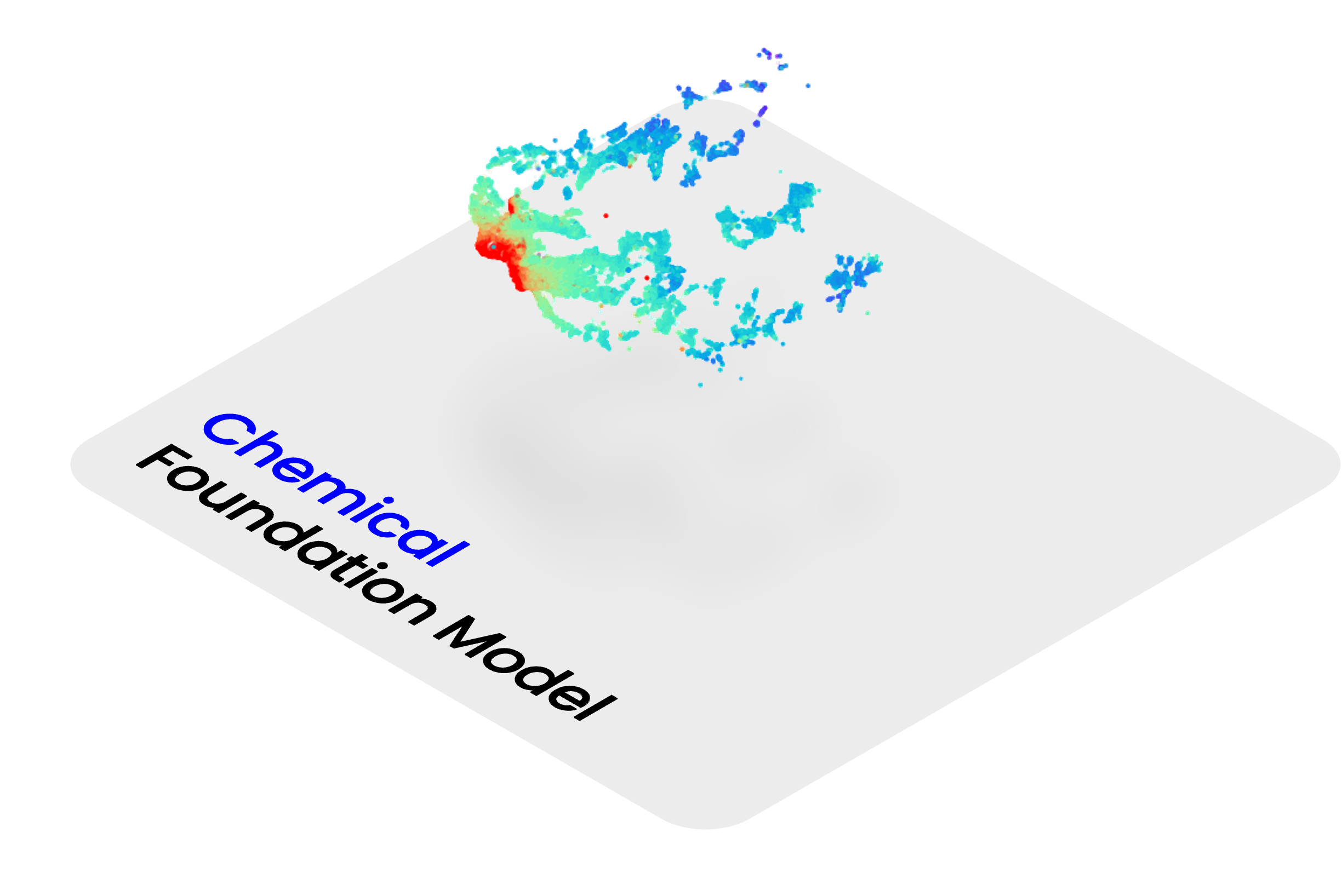
Strategic partnerships are more likely to succeed because they benefit from specialized expertise. Above, for example, is a visualization of Albert's chemical foundation model where each point represents a molecule, automatically clustered by structural similarity (colored by molecular weight).
By contrast, strategic partnerships are twice as likely to succeed. MIT found that 66% of externally partnered AI deployments reached production — double the success rate of internal builds. Even more telling, employee adoption rates for partnered tools were nearly double.
Why? Because partnerships bring:
In other words, partnerships turn AI from a brittle science project into a system that learns, scales, and delivers outcomes.
For R&D-intensive industries like chemistry and materials science, the stakes are especially high. Months lost to a failed AI pilot mean delayed product launches, duplicated experiments, and missed sustainability targets. Leaders like Henkel have shown how partnering on a global digital backbone can unify hundreds of thousands of experiments across 36 countries, creating the conditions for AI to scale.
And smaller innovators like Applied Molecules have demonstrated that with the right partnership, a three-month development cycle can be reduced to just two days.
At Albert, we’ve seen the same pattern firsthand. Across every pilot we’ve run, from Fortune 500 enterprises to agile startups, our deployments have consistently demonstrated measurable value. The reason isn’t luck — it’s design. By partnering closely with our customers, embedding AI directly in their workflows, and ensuring systems learn from every experiment, we avoid the traps that cause most pilots to fail.
The lesson is clear: if enterprises want AI that scales, they must resist the urge to build alone. The future belongs to those who choose the right partners — and cross the divide.

.png)





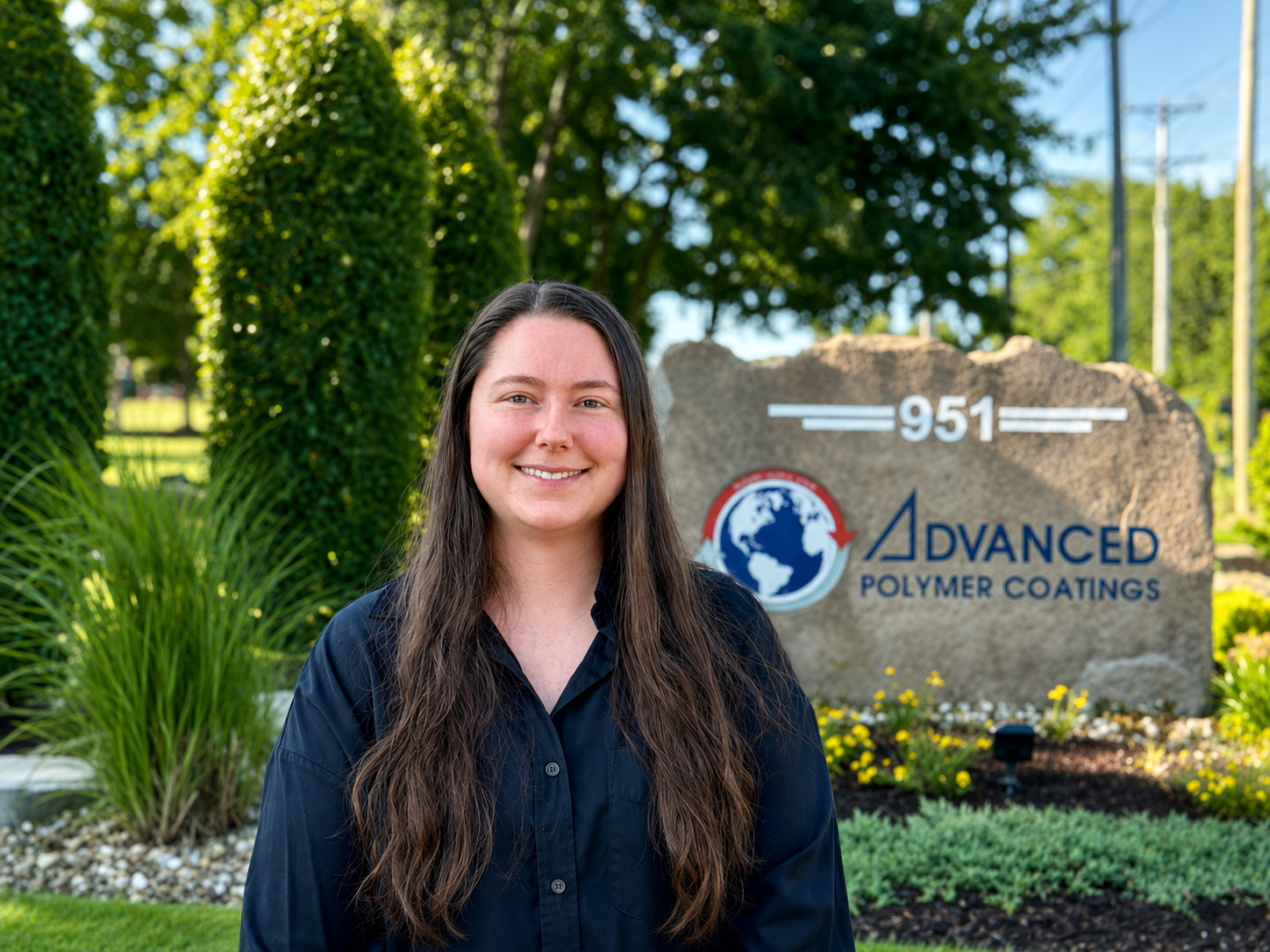
“Albert is fundamentally changing the way we have invented for over 145 years.”

.svg)
.png)